The $1 Solution to Your Sleep Problems: Soap in Bed?
Advertisement
4. Scientific Research: What Studies Say About Soap and Sleep
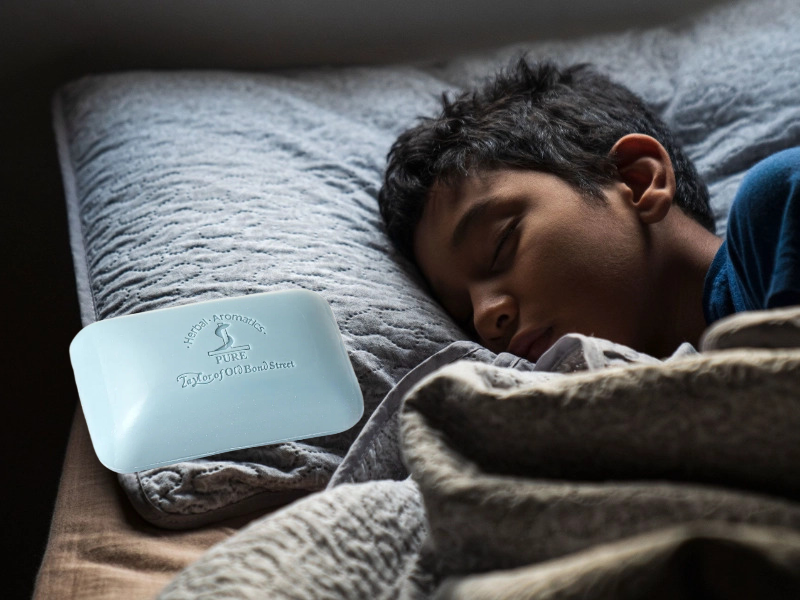
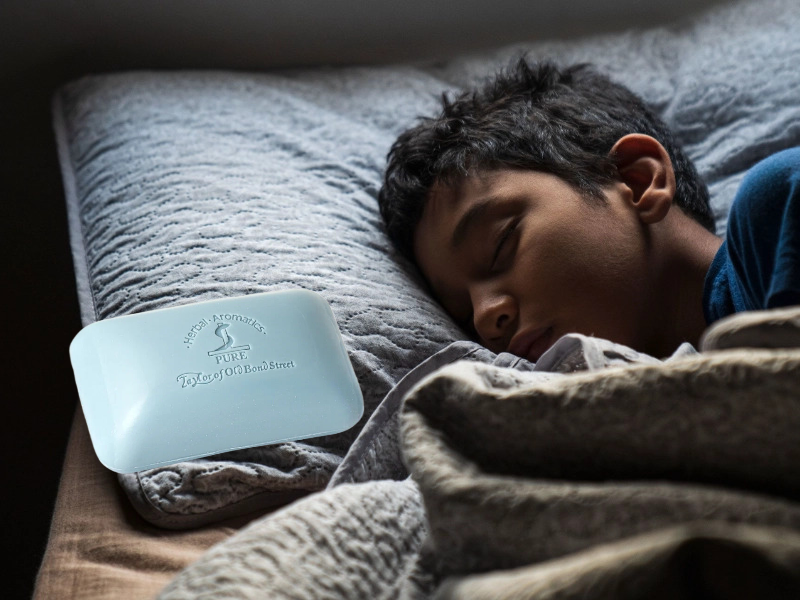
Although anecdotal evidence and word-of-mouth have helped the soap-in--bed cure become very well-known, scientific study on the subject is few. This does not mean, though, that the scientific community has totally discounted the approach. This unusual method has attracted some researchers who have conducted a few exploratory experiments and discussed this in medical journals.
One of the most often referenced studies comes from neurologist Dr. Ough, who got fascinated by the soap cure after learning about it from his patients. on a brief, casual study, Dr. Ough asked one hundred restless leg sufferers to try laying a bar of soap on their mattresses. His results show that over 42% of the individuals said their symptoms improved. Although this study lacked the exact approach of a clinical trial, it gave a first scientific view of the possible effectiveness of the soap approach.
Still another area of scientific curiosity is the possible function of magnesium. Many soaps, as was already noted, have magnesium, a mineral with recognized muscle-relaxing effects. Some studies have hypothesised that minute levels of magnesium could be absorbed by the skin, maybe explaining the claimed advantages. Although this notion hasn't been specifically evaluated in respect to the soap-in--bed approach, studies on magnesium's advantages for muscle relaxation and sleep abound.
Researchers looking at this phenomena have also debated the placebo effect. In medical research, the placebo effect—the well-documented phenomena whereby a person's belief in a therapy causes actual physiological changes—is According to some experts, this phenomenon could be mostly responsible for the claimed advantages of the soap approach. They also point out, though, that the good results for many users shouldn't be discounted even if it is a placebo effect.
It's important to remember that the absence of thorough scientific study does not always indicate the approach is useless. Many home cures and alternative therapies begin with anecdotal evidence then draw greater official scientific investigation. The soap-in--bed approach might be in this early stage, in which case user experiences are surpassing official studies.
Future comprehensive research is probably going to be carried out as interest in this unusual cure keeps rising. Until then, the scientific community usually cautions that although the soap approach seems to be benign, it shouldn't be used in place of medical treatment for major sleep disorders or related health concerns.
You May Like