Sip Smarter: Tailoring Your Water Intake for Optimal Health
Advertisement
4. Hydration Strategies for Different Lifestyles: From Desk Jobs to Athletes
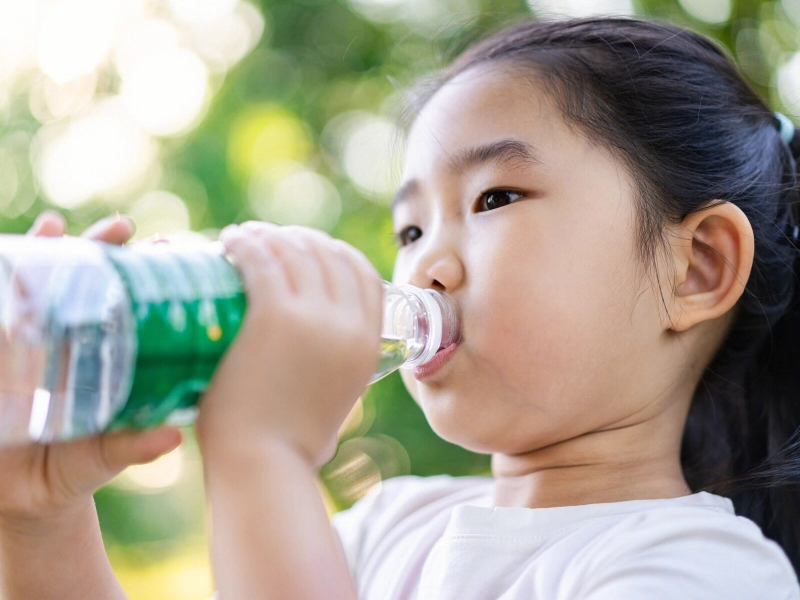
Your daily activities and way of living will greatly affect your hydration demands. Your hydration plan should be customised to fit your particular situation whether your activities are training for a marathon, always on the go, or lengthy hours at a desk. Let's look at some sensible hydration plans for several ways of life.
For those in desk jobs and offices:
It's easy to overlook hydration while you spend hours seated at a desk. Still, maintaining focus and output depends on enough water even in a sedentary work. The following are some tactics:
1.Keep a water bottle at your desk: Having water close by reminds you constantly to drink.
2. Use apps or computer alerts to remind yourself to routinely sip water.
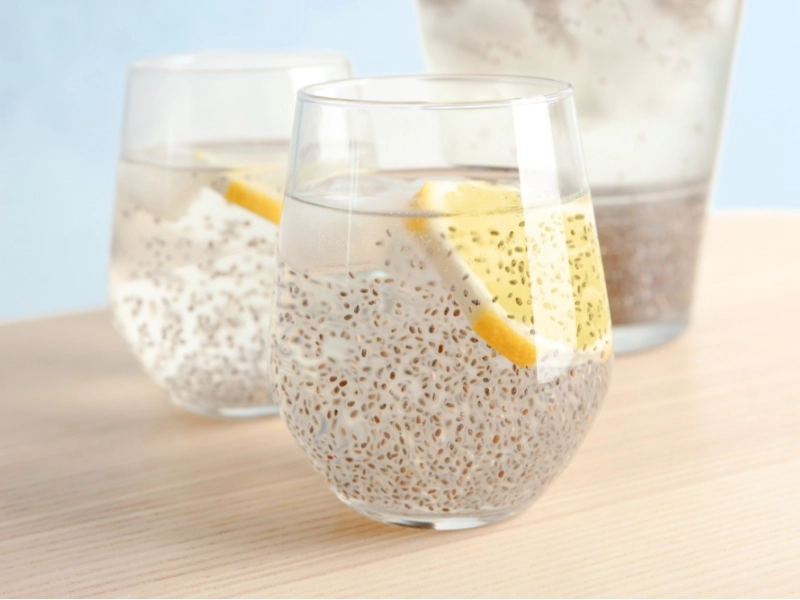
3.If you find plain water to unappealing, try adding slices of lemon, cucumbers, or berries for taste.
4. Use trips to the water cooler to stretch your legs and replenish your bottle.
5. Watch your caffeine intake; even if tea and coffee help with hydration, too much of either can cause problems.
For Those Constant on Travel:
If your way of life is one of continual travel and mobility, staying hydrated can be difficult but also quite vital. Try these guidelines:
One can find Make an excellent reusable water bottle purchase; pick one that is lightweight and robust.
two. Find out where you might fill your bottle when out and about.
Third. Set reminders on your phone: Frequent alarms will enable you to remember to sip water all through your hectic day.
Four. Select water-rich snacks: Your fluid intake can be supplemented by fruits including oranges, strawberries, and watermelons.
Five. Be aware of drying elements: air travel, for example, can be especially dehydrating; so, double your water consumption while travel.
For athletes and fitness aficionados:
Recovering from an athletic event depends on proper hydration also. Here's how you keep on top of your hydration game:
1. About two hours before exercising, sip sixteen to twenty ounces of water.
2.Aim for 7 to 10 ounces of water every 10 to 20 minutes when active.
3. Hydration following exercise replaces the fluids lost during activity. To find out how much you should be replenishing, weigh both before and after.
4. Think about electrolyte drinks: These can help in hot situations or during long, more than an hour workouts.
5. Watch your urine; a good indication of your hydration is pale yellow.
For those on the Night Shift:
Working against the natural rhythms of your body may compromise hydration. Try these approaches:
One. Start your shift well-hydrated: sip water before you start working.
two. Steer clear of too much coffee, even if it might boost alertness; too much will cause dehydration.
three. Keep water right at hand throughout your shift.
Fourth. Consider your eating patterns: Night shift workers sometimes rely on salted snacks, which can aggravate dehydration and thirst.
Regarding Elderly Adults:
Our thirst sense may drop with age, thus deliberate hydration efforts become even more crucial:
1. Plan frequent water breaks throughout day.
2. Especially if movement is a problem, keep water within simple reach.
3. Eat foods heavy in water, like soups, fruits, and vegetables.
4. Know drugs that might interfere with your requirement for hydration.
Remember, consistency is absolutely important regardless of your way of life. Including these techniques into your regular schedule will help you to develop hydration. The following part will look at how to make long-term sustainability and enjoyment of hydration more appealing.
You May Like