Erase Years from Your Skin: Effective Age Spot Treatments
Advertisement
4. Laser and Light Therapies: Cutting-Edge Solutions

Treatments for age spots change with technological advancement. Among the most innovative treatments available to combat these resistant skin discolorations are laser and light ones. Among people looking for efficient age spot removal, these treatments are becoming more and more popular as they provide notable results with little downtime.
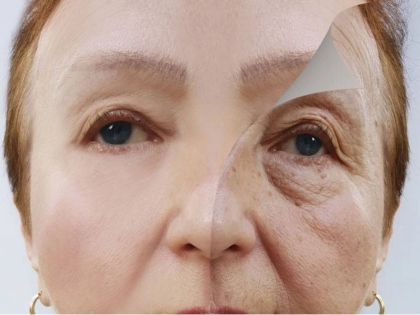
Among the most often used light-based therapies for age spots is intense pulsed light (IPL), sometimes referred to as photorejuvenation. IPL targets melanin in the skin by means of several wavelengths of light. The pigmented patches break down when the light energy is absorbed. The body gradually eliminates these pigment particles over time, producing more uniformly toned, clean skin.
Usually lasting thirty minutes, IPL treatments are rather rapid and comfortable. Although some improvement could show following one treatment, for best outcomes a series of three to five treatments spaced around one month apart is usually advised. IPL offers one benefit in treating several skin issues at once: it can address redness from rosacea, UV damage, and age spots.
Another sophisticated choice for age spots is fractional laser treatments. Targeting both the epidermis and dermis, these lasers create hundreds of small therapeutic zones in the skin. This stimulates the body's natural healing mechanism, therefore encouraging the synthesis of fresh collagen and elastin as well as aiding to eliminate pigmented cells.
Two basic varieties of fractional lasers are non-ablative and ablative ones. Though they involve more downtime, ablative fractional lasers—such as CO2 and Erbium YAG—remove tiny layers of skin and produce more dramatic effects. Like Fraxel, non-ablative fractional lasers heat the skin without destroying layers, therefore reducing downtime but perhaps requiring more treatments for comparable outcomes.
Another sort of laser treatment intended especially to target pigment in the skin are Q-switched lasers. These lasers break pigment particles in extremely brief, high-energy bursts without injuring the surrounding skin. Particularly helpful for darker age spots, Q-switched lasers may also call for less treatments than other choices.
Although laser and light treatments can be quite successful, it's important to see seasoned experts do these procedures. Particularly in those with darker skin tones, inappropriate use or settings can cause problems including burns, scars, or hyperpigmentation.
While these treatments can show notable improvement, especially in cases of severe sun damage, they may not totally erase all age spots. Moreover, new age spots can develop without appropriate sun protection after treatment, therefore negating the advantages of the procedure.
Like any medical treatment, there are possible hazards and side effects to weigh. These could comprise transient redness, swelling, and occasionally blistering or changes in skin texture. When done well, though, these adverse effects usually are modest and fleeting.
You May Like