Erase Years from Your Skin: Effective Age Spot Treatments
Advertisement
2. Over-the-Counter Solutions: Creams and Serums
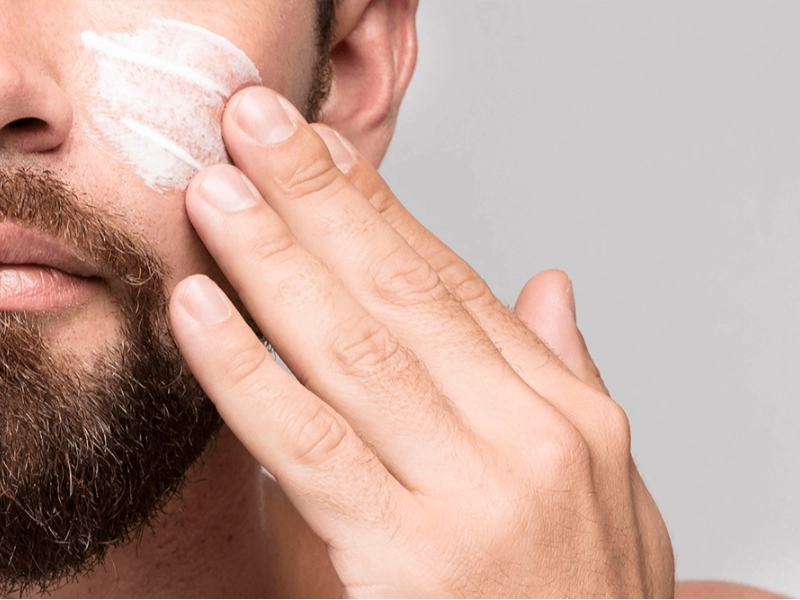
Regarding age spots, over-the-counter (OTC) treatments are usually the first line of defence. Available without a prescription, these products might be a quick and handy approach to treat minor to moderate age spots. Let's look at some of the most often used and potent OTC creams and serums for age spots.
Among the most often used OTC remedies for age spots are hydroquinone-based medicines. Hydroquinone essentially lightens dark areas over time by stopping melanin synthesis in the skin. Using hydroquinone requires close attention to detail and avoidance of exceeding the advised 2% concentration for OTC medications. Prescription only provides higher concentrations.
Another often used component in over-the-counter age spot treatments is kojic acid. Derived from many fungi, kojic acid reduces melanin synthesis to function like hydroquinone. For those with sensitive skin, it's sometimes seen as a milder substitute for hydroquinone and can be quite successful.
Recent years have seen vitamin C serums become somewhat well-known for their ability to erase dark spots and brighten skin. Strong antioxidant vitamin C both reduces melanin generation and helps shield the skin from more damage. Search for skincare products using L-ascorbic acid, the most powerful kind of vitamin C available.
Another great tool for treating age spots is retinoids, variations on vitamin A. Retinol treatments sold over-the-counter can boost general skin texture, fade dark spots, and aid enhance cell turnover. Retinoids can irritate some, thus it's best to start with a low dose and then raise use gradually.
Treating age spots can also be accomplished with alpha hydroxy acids (AHAs) such as lactic acid and glycolic acid. These components exfoliate the skin, eliminate dead skin cells, and encourage the synthesis of fresh, evenly pigmented skin cells.
Using OTC products calls for patience most of all. To exhibit obvious effects most of these treatments need constant use over several weeks or months. Remember also that, while many of these components might raise skin sensitivity to UV radiation, sun protection becomes even as vital while using these products.
OTC remedies may not be appropriate for everyone even if they can be quite successful. It could be necessary to see a dermatologist for more strong treatments if you have sensitive skin or if do not observe effects after several months of regular use.
You May Like