Earth's Scars: Exploring the World's Five Great Rift Systems
Advertisement
9. Challenges and Opportunities in Rift Zones
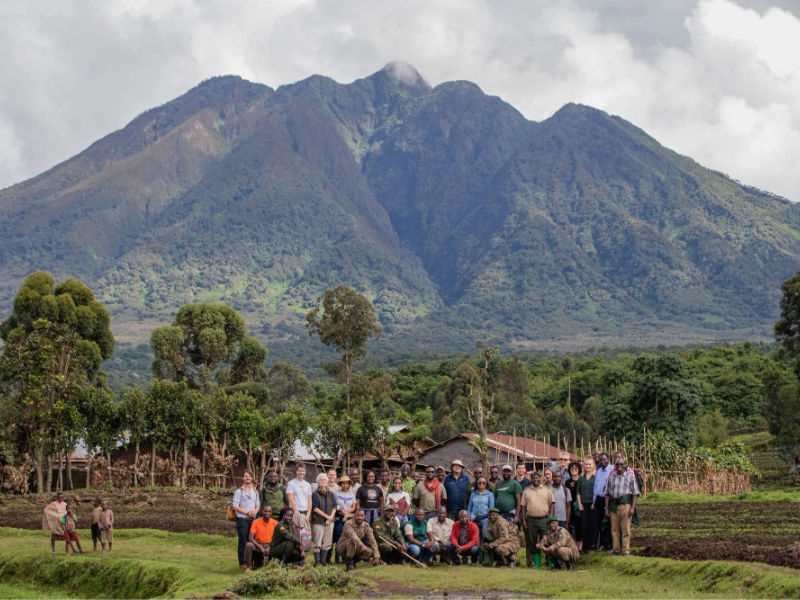
Although rift systems have many advantages and possibilities, they also provide major difficulties for the people living nearby. Natural hazards including earthquakes, volcanic eruptions, and landslides can result from the inherent geological instability of these zones. For instance, multiple active volcanoes in East Africa's Rift System, notably Ol Doinyo Lengai in Tanzania, create continuous hazards to surrounding populations.
For several rift-associated ecosystems, another urgent issue is climate change. Particularly sensitive to the consequences of global warming are the unusual and sometimes delicate habitats found in rift zones, including the frozen areas around Lake Baikal or the high-altitude ecosystems of the East African Rift. Changes in temperature and precipitation patterns could have broad effects on the biodiversity and people populations depending on these ecosystems.
Rifflet systems do, however, also present chances for scientific study and sustainable growth. A possible source of clean, renewable energy are the geothermal resources connected with rifting processes. Though their use must be weighed with environmental preservation issues, many rift zones are also rich in mineral resources. From a scientific standpoint, rift systems remain priceless natural laboratories for examining Earth dynamics, evolution, and adaptability to severe settings.