Earth's Scars: Exploring the World's Five Great Rift Systems
Advertisement
6. The Geological Significance of Rift Systems
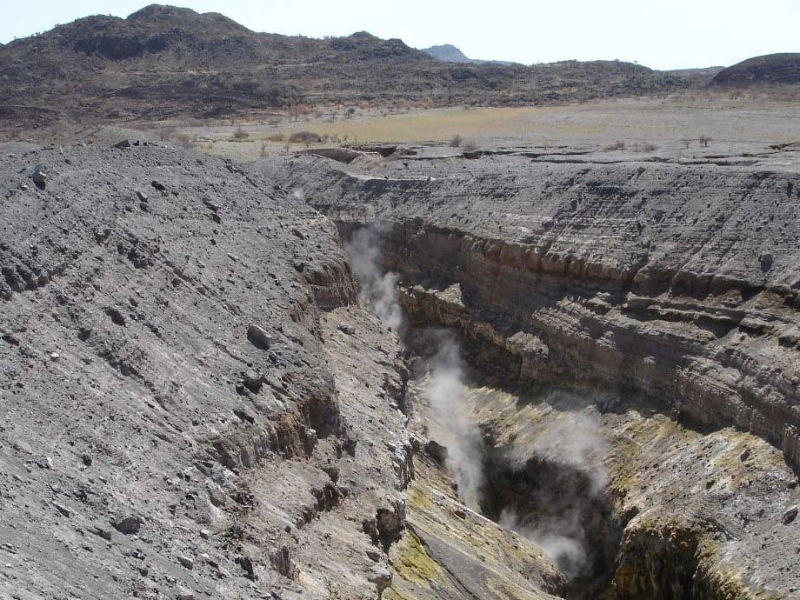
The surface of our planet and the way its geological processes are shaped depend critically on rift systems. Not only passive characteristics, these large fractures in the Earth's crust are active zones of tectonic activity that cause continental drift, produce new crust, and over millions of years change the topography. Studying rift systems helps geologists to better understand the underlying dynamics of the Earth and the forces that have sculpted our planet over its long life.
The way rift systems generate fresh crust is among its most important features. Tectonic plate movement in oceanic rifts such as the Mid-Atlantic Ridge lets magma rise from the Earth's mantle, forming fresh oceanic crust as it cools and crystallises. Fundamental to the notion of plate tectonics, this process of seaflower spreading clarifies how continents migrate over geological timescales. As observed in the Red Sea Rift, the thinning of the crust in continental rifts can result in the creation of new ocean basins should the rifting process complete.
Additionally greatly affecting local and regional geology are rift systems. In rift zones, the thinning and straining of the crust sometimes produces sedimentary basins that can become significant reservoirs for oil and natural gas. Rich soils, geothermal resources, and mineral deposits are formed in part by the volcanic activity linked with rifting. Moreover, the special topography produced by rift systems—with their deep valleys and raised rift flanks—affects the distribution of organisms and regional temperature patterns.