Earth's Scars: Exploring the World's Five Great Rift Systems
Advertisement
12. Conservation and Management of Rift Ecosystems
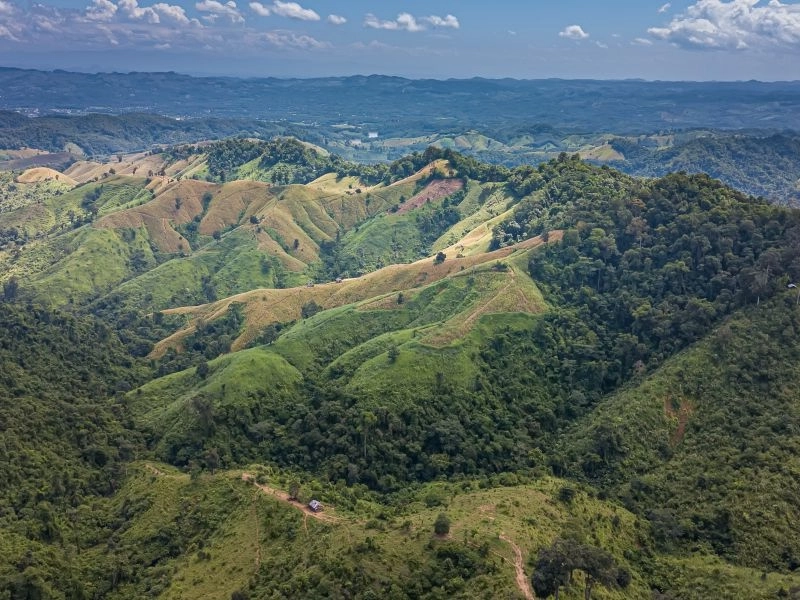
The special and sometimes delicate ecosystems connected to rift systems offer chances as well as problems for conservation. Many rift zones are hotspots for biodiversity, home to many rare species and important habitats for a great spectrum of plants and animals. But human activities such urban growth, agriculture, and deforestation frequently put these regions under strain. A difficult and continuous task is balancing the needs of expanding human populations with the protection of these priceless natural settings.
For the East African Rift System, for instance, conservation initiatives assist sustainable development for nearby populations in addition to safeguarding the region's famous species and varied habitats. Preserving biodiversity and drawing ecotourism depend much on national parks and protected places like the Serengeti in Tanzania and the Bwindi Impenetrable National Park in Uganda. These initiatives must, however, be weighed against the demands of local inhabitants who sometimes depend on natural resources for their way of life.
There are particular conservation issues facing the Baikal Rift Zone. Declared a UNESCO World Heritage site, Lake Baikal faces pollution, invading species, and possible effects of climate change. International collaboration, strict environmental laws, and continuous scientific study to track the lake's health and biodiversity comprise efforts to save this special ecosystem.
Under oceanic rift systems such as the Mid-Atlantic Ridge, conservation efforts centre on safeguarding sensitive deep-sea habitats, especially near hydrothermal vent populations. Among these initiatives include creating marine protected areas and controlling deep-sea mining operations that can compromise these special ecosystems.
Good management and preservation of rift ecosystems call for a multimodal strategy integrating community involvement, policy-making, and scientific study. Properly controlled sustainable tourism may both increase awareness of the value of these geological and biological treasures and offer financial incentives for preservation. Programs for education stressing the scientific and cultural value of rift systems might help both residents and guests to develop a feeling of responsibility.
It is growing evident as we try to understand the rifts in Earth's crust that these geological features are not only scars on the surface of our planet but also essential and dynamic parts of the worldwide ecosystem. From the depths of Lake Baikal to the heights of the East African mountains, from the secret rifts of Antarctica to the submerged valleys of the Mid-Atlantic Ridge, these systems profoundly sculpt our planet. They provide windows into the past of Earth, hints about its future, and reminders of the careful equilibrium maintaining life on our planet. Understanding and maintaining the health of our global environment depends critically on the research and preservation of rift systems as we negotiate the obstacles of the twenty-first century, including climate change and biodiversity loss.
You May Like